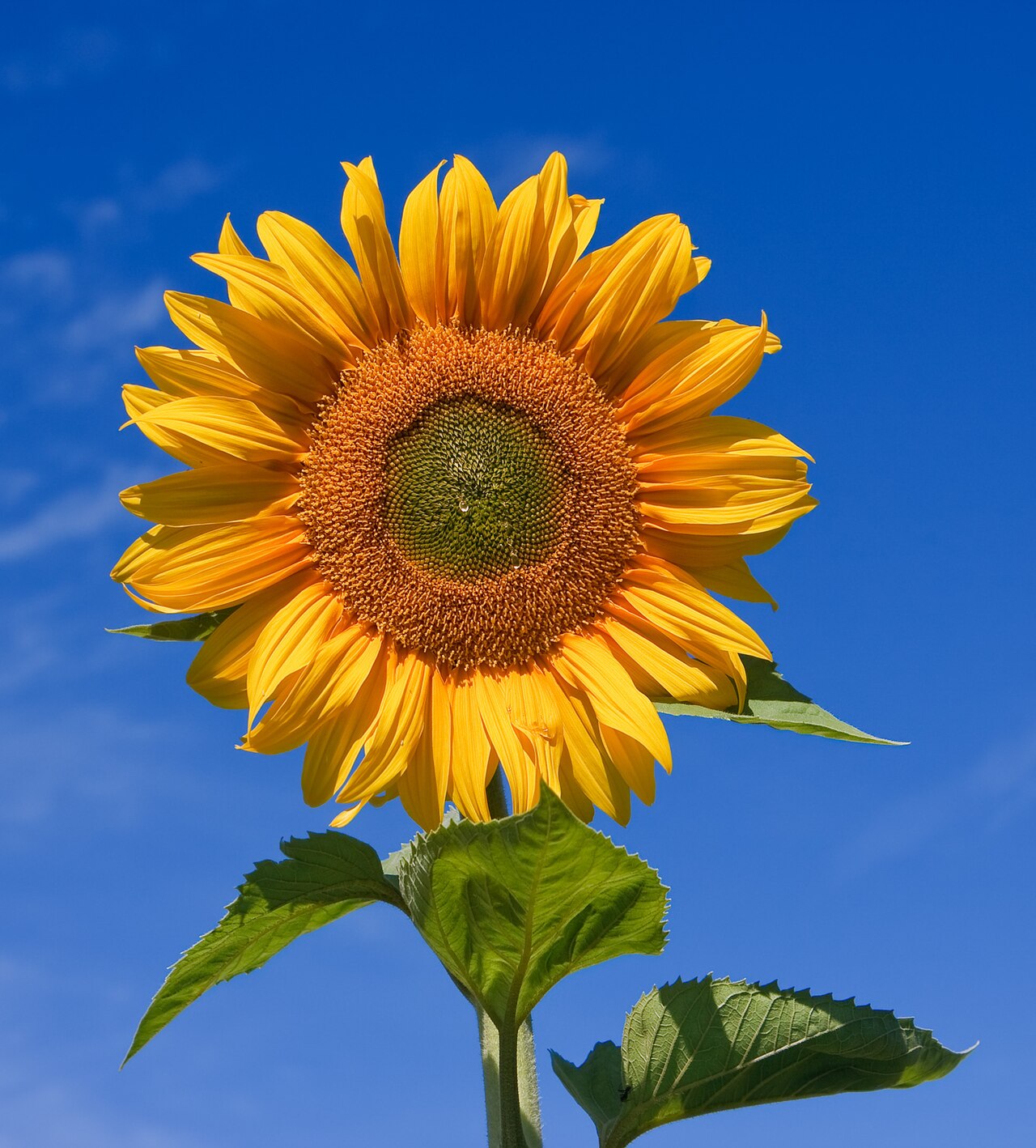
Tracing Sunflower Origins: America's Enduring Gift to European Agriculture
The sunflower, with its iconic golden face tracking the sun across the sky, is a beloved sight in gardens and fields worldwide. Its vibrant blooms symbolize summer, happiness, and vitality. But where did this spectacular plant originate? The question, "
Kommen Sonnenblumen Aus Amerika?" (Do sunflowers come from America?), points directly to a rich history of discovery, cultivation, and global dissemination that began on the American continents. Indeed, the sunflower is unequivocally a gift from the Americas, first cherished by indigenous peoples and later introduced to Europe, where it transformed from an exotic curiosity into a cornerstone of modern agriculture.
From Ancient American Wilds to European Gardens: The Sunflower's Grand Journey
The history of the sunflower is deeply rooted in North America, where all approximately 65 species of the genus *Helianthus* originated. Archaeological evidence suggests that sunflowers were cultivated by indigenous peoples in North America as early as 3000 BCE, even before corn. Native American communities across the continent utilized the sunflower for a myriad of purposes: its seeds were ground into flour for bread and cakes, pressed for oil, and even used to create purple dye. The plant's stalks provided building materials, and its medicinal properties were recognized for treating various ailments. It was truly a staple crop, interwoven with the cultural and nutritional fabric of ancient American civilizations.
It wasn't until the 16th century that this remarkable plant began its journey across the Atlantic. In 1552, Spanish seafarers, explorers of the "New World," brought sunflower seeds back to Europe. Initially, the sunflower was regarded primarily as a botanical curiosity and an ornamental plant, gracing the royal gardens and estates of Spain and later spreading to other European countries. Its striking appearance and impressive height made it a fascinating addition to the burgeoning collections of exotic flora. For centuries, its practical applications, so well understood by its American cultivators, remained largely untapped in Europe. The shift towards large-scale agricultural use wouldn't occur until much later, laying the groundwork for its eventual dominance in the global oilseed market. To delve deeper into this fascinating transition, explore
The Journey of the Sunflower: From American Discovery to European Farms.
The Multifaceted Marvel: Beyond Just Oil
While its initial reception in Europe was largely aesthetic, the sunflower's true agricultural potential began to unfold in the 19th century. This marked a pivotal moment when its abundant kernels were recognized not just as food, but as a rich source of oil. The cultivation of *Helianthus annuus*, commonly known as the common sunflower, for oil production rapidly expanded, especially in Eastern Europe, transforming vast landscapes into seas of golden blooms. Today, sunflower oil is one of the most widely consumed vegetable oils globally, prized for its light flavor, high smoke point, and nutritional benefits, including a good balance of monounsaturated and polyunsaturated fats.
However, the sunflower’s utility extends far beyond its famous oil. The kernels themselves are a popular snack, either shelled or in the shell, enjoyed plain, roasted, or seasoned. They are also a valuable ingredient in baking, adding a nutty flavor and crunchy texture to breads, granolas, and energy bars. Beyond human consumption, sunflower seeds are a primary component of bird feed, providing essential nutrients for wild birds, especially during colder months. The meal left after oil extraction is a protein-rich feed for livestock, ensuring that virtually every part of the harvested plant finds a purpose, minimizing waste and maximizing agricultural value. The plant also holds a place in traditional medicine and modern pharmacology, where extracts are explored for their anti-inflammatory and skin-benefiting properties, echoing its ancient uses by indigenous cultures.
Topinambur: The Sunflower's Edible Relative and Diabetic-Friendly Delight
Among the diverse family of sunflowers, one species stands out for its unique contribution to culinary and health-conscious diets: *Helianthus tuberosus*, more commonly known as Topinambur or Jerusalem Artichoke. Despite its name, it is neither related to Jerusalem nor an artichoke, but rather a species of sunflower that develops edible tubers instead of large, seed-filled flower heads. These tubers, originating from North America just like their more famous cousin, offer a delightful alternative to potatoes and other root vegetables.
Topinambur tubers have a crisp texture and a subtly sweet, nutty flavor, often described as a cross between a potato and a water chestnut. They can be prepared in various ways: roasted, mashed, sautéed, or even eaten raw in salads. Beyond their culinary versatility, Topinambur holds significant health benefits, particularly for individuals managing diabetes. Unlike potatoes, which are high in starch, Topinambur is rich in inulin, a type of fructan that acts as a prebiotic fiber. Inulin is not digested in the small intestine but passes through to the large intestine, where it feeds beneficial gut bacteria and has a minimal impact on blood sugar levels. This makes Topinambur an excellent dietary choice for diabetics seeking flavorful, low-glycemic alternatives. Furthermore, these tubers can be fermented and distilled to produce spirits, adding another dimension to their diverse uses. For more on the array of benefits and uses, including edible tubers, check out
Sunflowers' American Heritage: Oil, Medicine, and Edible Tubers.
The Sunflower's Unique Traits and Cultivation Tips
The sunflower (Helianthus) is a robust and visually striking plant, belonging to the Asteraceae family (Korbblütler). These plants are incredibly adaptable, with species ranging from a modest 25 cm to an impressive 300 cm in height. While some varieties are perennial, the most widely cultivated oilseed varieties, *Helianthus annuus*, are annuals, completing their life cycle within a single growing season. Their growth period typically spans from June/July to September, culminating in the harvest of their valuable seeds.
One of the sunflower's most enchanting and well-known characteristics is its heliotropism – the phenomenon where its young flower heads track the sun across the sky. In the morning, they face east, follow the sun westward throughout the day, and then slowly turn back eastward overnight to greet the morning sun. This behavior, driven by a internal "circadian clock," maximizes the plant's exposure to sunlight, enhancing photosynthesis and contributing to more efficient growth and seed development. As the plant matures and the flower head becomes heavy with seeds, it generally ceases to track the sun and remains fixed in an easterly direction.
For home gardeners looking to cultivate these magnificent plants, here are a few tips:
*
Sunlight: Sunflowers require full sun, meaning at least 6-8 hours of direct sunlight daily, to thrive and produce robust flowers and seeds.
*
Soil: They prefer well-drained soil, rich in organic matter, but are quite tolerant of various soil types.
*
Watering: While drought-tolerant once established, regular watering, especially during dry spells and flowering, will promote healthier growth.
*
Spacing: Give them ample space. Depending on the variety, plants can grow quite tall and wide, so proper spacing ensures good air circulation and nutrient availability.
*
Support: Taller varieties may benefit from staking, especially in windy areas, to prevent their heavy heads from toppling over.
*
Harvesting: For seed harvesting, wait until the back of the flower head turns yellow and then brown, and the seeds appear plump. Protect maturing heads from birds with netting if necessary.
Conclusion
The answer to "
Kommen Sonnenblumen Aus Amerika?" is a resounding yes, underscoring a remarkable story of botanical migration and agricultural innovation. From the ancient fields cultivated by indigenous American peoples to the vast sun-drenched European landscapes, the sunflower's journey is a testament to its enduring value. Initially an ornamental curiosity carried across oceans by Spanish seafarers, it has evolved into a global agricultural powerhouse, providing essential oil, nutritious food, valuable animal feed, and even specialized crops like Topinambur with unique health benefits. The sunflower's American heritage is not just a historical footnote; it is a living legacy that continues to enrich agriculture, culinary traditions, and economies worldwide, making it truly America's brilliant gift to the world.